
When it comes to protecting your hartgezondheid, understanding blood cholesterol is crucial. Contrary to common belief, not all cholesterol is detrimental to your well-being. In fact, your body requires certain forms of cholesterol for optimal health. The key is to manage cholesterol levels effectively and discern between cholesterol myths en cholesterol facts. This entails getting to know the dynamics between high-density lipoprotein (HDL), or “good” cholesterol, and low-density lipoprotein (LDL), often dubbed “bad” cholesterol, and recognizing how they influence your risk of heart disease and stroke.
Brushing off the myths, it’s essential to grasp that some cholesterol plays a beneficent role in your body’s daily functions, like hormone production and cell construction. However, when LDL cholesterol tips the scales, it welcomes plaque buildup within your blood vessels, jeopardizing cardiovascular health. Therefore, accurate cholesterolbeheer, which includes regular screenings and lifestyle modifications, is a commitment you need to make for long-term health.
As part of your cholesterolbeheer plan, remember the importance of distinguishing between misleading myths and evidenced-based facts. This not only empowers you to take proactive steps towards hartgezondheid but also prepares you to work alongside healthcare professionals to maintain or achieve healthy cholesterol levels.
Belangrijkste opmerkingen
- Understanding the dual nature of cholesterol is key to managing hartgezondheid effectively.
- Recognizing that HDL is beneficial to the body highlights the importance of a balanced cholesterol profile.
- Regular cholesterol screenings are vital as high cholesterol doesn’t often come with warning signs.
- Debunking cholesterol myths is essential for implementing a factual-based health plan.
- Lifestyle changes can have a significant impact on cholesterol levels, but some may need additional medical intervention.
The Vital Role of Cholesterol in Your Body
Cholesterol is not solely the villain it’s often portrayed to be; in truth, it plays indispensable roles in maintaining your body’s vitality. It is critical to unravel the complexity of cholesterol to understand how it functions within your system.
Why Your Body Needs Cholesterol
Your body requires cholesterol for several fundamental processes. It is vital for the synthesis of hormonen that regulate metabolism, mood, and sexual function. Additionally, cholesterol is a structural component of every cell wall in your body, aiding in cell building and ensuring cellular integrity. Far from being purely harmful, cholesterol is essential for life.
Differentiating HDL from LDL Cholesterol
While referring to cholesterol, it’s important to distinguish between HDL and LDL cholesterol—two lipoproteins that serve differing purposes within the body. HDL cholesterol, commonly known as ‘good cholesterol’, plays a protective role by transporting cholesterol away from your arteries to the liver, where it is processed and eliminated. Conversely, LDL cholesterol, often labeled as ‘bad cholesterol’, can lead to the accumulation of plaque in your arteries, increasing heart disease risk.
The Journey of Cholesterol: From Liver to Arteries
The liver manufactures cholesterol which then embarks on a complex journey throughout your body. Lipoproteins act as transport vehicles, shuttling cholesterol to where it is needed. LDL cholesterol can sometimes deposit in arterial walls, risking plaque formation, which can narrow the passageways and even result in cardiovascular events such as angina or a heart attack. However, HDL cholesterol operates as a janitorial service, mopping up excess cholesterol and escorting it back to your liver, reaffirming the necessity of balancing cholesterol levels for your health.

Remember: keeping both LDL and HDL cholesterol levels within recommended ranges is a proactive measure against increasing your heart disease risk. Regular check-ups with your healthcare provider for cholesterol screenings can help you keep these levels in check.
- HDL Cholesterol: Aims for a higher number to reduce risk of heart disease
- LDL Cholesterol: Keeping levels lower to minimize risk of artery plaque and heart disease
- Lipoproteins: Proteins that carry cholesterol through the bloodstream
- Hormones: Cholesterol is crucial in creating hormonen that manage various bodily functions
- Cell Building: Essential for producing cell membranes, cholesterol maintains cell structure and function
To encapsulate the essence of cholesterol – it isn’t just a substance to combat, but rather a critical component of your body’s framework, instrumental in cell construction and hormone production. The intricate balance between HDL and LDL cholesterol underpins not merely your body’s internal complexities but also your risk of heart disease. Stay informed, stay balanced, and embrace the duality of cholesterol as part of the intricate tapestry of your well-being.
Cholesterol Levels and Your Health
Keeping track of your cholesterol levels is a pivotal step in preventing heart disease and mitigating stroke risk. Getting to grips with what the numbers mean and how they relate to your overall cardiovascular health can guide your actions towards healthier lifestyle choices and medical interventions if required.
Interpreting Your Cholesterol Numbers
It’s imperative to understand the implications of your cholesterol numerals. LDL cholesterol—the type linked to plaque buildup in arteries—should be kept low, ideally below 100 mg/dL to minimize the risk of cardiovascular disease. Conversely, having higher levels of HDL cholesterol, at 60 mg/dL or above, is generally considered protective against heart disease and stroke. Knowing where your levels fall can help you and your healthcare provider strategize for better heart health.
The Importance of Regular Cholesterol Screenings
Cholesterol screenings are an indispensable tool in your healthcare arsenal. By detecting unhealthy cholesterol levels early on, you can take necessary measures to prevent the progression of diseases associated with high cholesterol. Adults are generally advised to undergo cholesterol screenings at least once every five years, with more frequent testing suggested for those with a family history of heart disease or personal risk factors.
Consistency in cholesterol monitoring is key; make yourself aware of your cholesterol profile to take control of your health.
Reevaluating your cholesterol regularly through profiling is not just a preventative step—it’s an act of self-care that prioritizes your long-term cardiovascular wellness. Begin this essential dialogue with your doctor and keep it going; your heart will thank you.
| Cholesterol Type | Desired Level | Heart Disease Risk |
|---|---|---|
| LDL (Bad Cholesterol) | Below 100 mg/dL | Increase with higher levels |
| HDL (Good Cholesterol) | 60 mg/dL or higher | Decrease with higher levels |
| Total Cholesterol | Below 200 mg/dL | Higher levels may indicate risk |
Debunking the Myth: Not All Cholesterol Is Bad
There’s a prevailing narrative that may have led you to believe all cholesterol is harmful to your health. However, this simplification masks the truth of cholesterol’s dualistic nature. It’s time to break down the cholesterol myths and acknowledge that your body not only produces cholesterol naturally but also requires it for crucial functions. The key lies in the balance between HDL cholesterol, the so-called good cholesterol, en LDL cholesterol, often labeled as bad cholesterol.
LDL cholesterol becomes a cause for concern only when there’s an excess, potentially leading to the build-up of plaque in the arteries—a precursor to heart disease. On the other hand, HDL cholesterol serves a protective role, helping to clear cholesterol from the bloodstream and transport it to the liver for elimination, thereby contributing to good health.
Understanding the facts about cholesterol is not just vital for your heart health; it’s essential for general wellness. Just as a balanced diet and regular exercise are cornerstones of a healthy lifestyle, maintaining appropriately balanced cholesterol levels is vital for long-term well-being. Let’s dispel the fear and confusion surrounding cholesterol and see it for what it truly is—a natural and necessary element of your bodily function.
| Cholesterol Type | Role in the Body | Impact on Health |
|---|---|---|
| HDL (High-density lipoprotein) | Transports cholesterol to the liver for processing and removal | Higher levels are beneficial and lower risk of heart disease |
| LDL (Low-density lipoprotein) | Carries cholesterol to cells, can deposit on blood vessel walls | High levels can lead to plaque build-up and heart disease |
| Total Cholesterol | Overall measure of HDL, LDL, and other lipid components | Should be balanced to maintain heart health |
Did you know that it’s necessary to have both HDL and LDL in your system for it to perform at its best? Yes, even LDL has a place in your body’s complex inner workings—it’s only when the balance tips too heavily in its favor that problems arise.

Every step towards debunking widely-held cholesterol myths is a step towards a more informed approach to managing cholesterol. Bad cholesterol is only part of the narrative. The full story involves recognizing how both HDL and LDL cholesterol impact your risk factors and the steps you can take to optimize their levels. By doing so, you’re not merely mitigating risks but actively fostering good health and longevity.
- Regularly check your cholesterol levels to stay informed about your heart health status.
- Focus on incorporating a well-rounded diet that limits LDL-enhancing foods while promoting HDL-friendly options.
- Stay active, as consistent physical activity helps maintain ideal cholesterol ratios.
- Understand that lifestyle changes may suffice for some, but others might require medication to manage cholesterol effectively.
In summary, cholesterol should not be universally feared. While bad cholesterol deserves caution, the presence of HDL cholesterol is something to welcome. With periodic testing and mindful living, balancing cholesterol for good health is well within your grasp.
Identifying and Managing High Cholesterol
If you’re concerned about heart disease risk, understanding and managing your cholesterol levels is essential. Despite high cholesterol often being a silent issue, it’s one of the leading contributors to cardiovascular diseases and can go unnoticed until a significant health event occurs. Early identification and management of abnormal cholesterol levels are crucial steps in safeguarding your heart health.

Recognizing the Signs and Risks of High Cholesterol
While cholesterol symptoms are rare, certain physical signs such as yellowish growths on the skin known as xanthomas may signal high cholesterol levels in some individuals. These cholesterol-rich deposits can emerge on various body parts and serve as a visual cue to get your cholesterol checked. Nevertheless, the absence of symptoms doesn’t assure low cholesterol. Proactive cholesterolbeheer through regular medical screenings is imperative since high cholesterol typically announces its presence with critical events like a heart attack or stroke, rather than noticeable symptoms.
Consistently monitoring your cholesterol is not an overreaction; it’s a responsible health strategy.
Understanding Triglycerides and Their Impact
Triglycerides are another type of fat present in your blood and, along with LDL cholesterol, can exacerbate your heart disease risk. High triglyceride levels are often associated with other conditions like obesity, uncontrolled diabetes, and an inactive lifestyle, in addition to eating a high-calorie diet. Managing your triglyceride levels is as vital as managing cholesterol, and this is typically achieved through lifestyle modifications that may include a balanced diet, physical activity, and if necessary, medication. By keeping both your cholesterol and triglycerides in check, you contribute to your heart’s health and your overall well-being.
- Recognize the absence of symptoms doesn’t mean the absence of risk.
- Stay vigilant for any physical signs indicative of cholesterol abnormalities.
- Acknowledge the duality of lipids — LDL cholesterol and triglycerides — in their collaborative impact on heart health.
- Embrace lifestyle changes that aid in lowering both cholesterol and triglyceride levels.
Cholesterol-Lowering Foods and Your Diet
The foods you include in your daily diet can have profound effects on your cholesterol levels and overall heart health. Focusing on cholesterol-lowering foods while minimizing intake of saturated fats can help you maintain a low cholesterol diet that supports cardiovascular wellness.
Balancing Saturated Fats with Healthier Options
Saturated fats, which are mostly found in animal-derived products, have historically been one of the dietary culprits associated with increased levels of LDL cholesterol. These fats are prevalent in foods such as red meat, butter, and certain types of cheese. To support a heart-healthy diet, it’s essential to find a balance by substituting these with foods rich in unsaturated fats, known for their cholesterol-lowering properties.
Implementing simple swaps can make all the difference. Instead of butter, consider using spreads made from olive oil or other vegetable oils that contain unsaturated fats. And when it comes to red meat, try to opt for leaner cuts or even better, fish, which provides heart-healthy omega-3 fatty acids.

Incorporating Fiber and Unsaturated Fats into Meals
Dietary fiber, particularly soluble fiber, can help lower cholesterol levels by binding to cholesterol in the digestive system and removing it from the body before it can circulate in the blood.
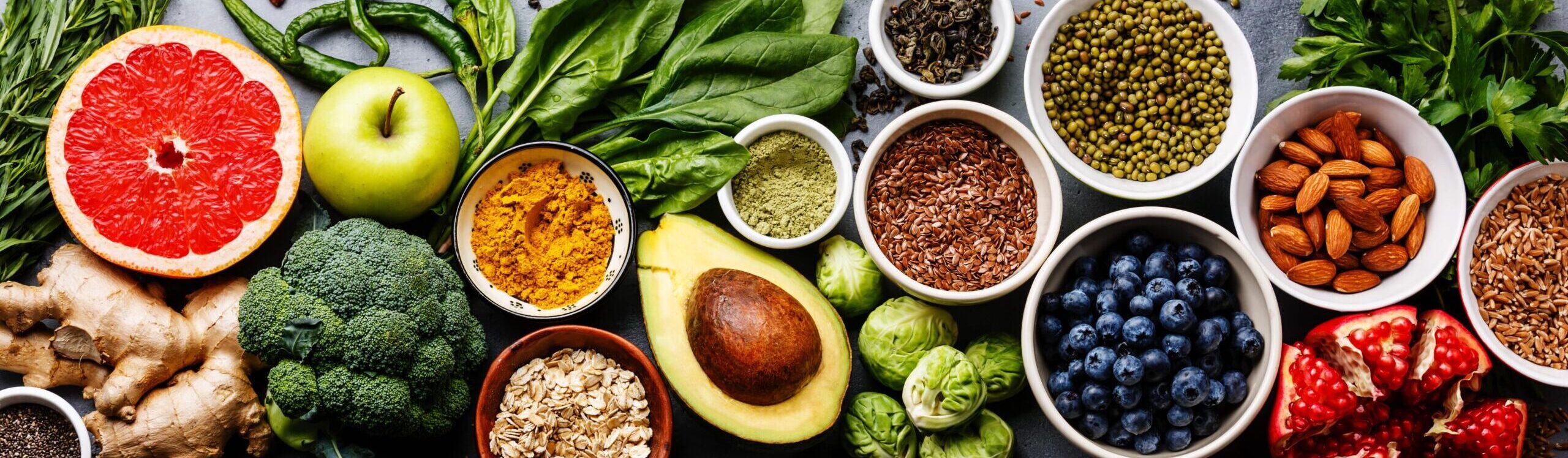
Foods like oatmeal, beans, apples, pears, and brussels sprouts are all excellent sources of soluble fiber. Gradually adding these to your meals not only aids in cholesterol management but also enhances overall digestion and satiety.
When it comes to fats, the emphasis should be on unsaturated variants which have been shown to improve blood cholesterol levels. Unsaturated fats are found in foods like avocados, nuts, and seeds, as well as in fish. These foods are pillars of the celebrated Mediterranean diet, which has gained acclaim for its beneficial effects on heart health and its role in promoting longevity.
By consciously curating a diet that prioritizes unsaturated fats en dietary fiber, you encourage a robust, heart-friendly eating pattern. Below is a table of foods that can fit seamlessly into a low cholesterol diet, offering you a variety of beneficial nutrients without the added risk of high cholesterol.
| Type voedsel | Cholesterol-Lowering Benefit | Suggested Servings |
|---|---|---|
| Oats | Rich in soluble fiber, lowers LDL cholesterol | 1 servings daily |
| Almonds | Contains unsaturated fats, promotes heart health | A handful as a snack or mixed into meals |
| Avocado | Rich in monounsaturated fats, lowers bad cholesterol | 0,5-1 avocado daily |
| Zalm | High in omega-3 fatty acids, reduces inflammation | 2-3 servings weekly |
| Lentils | Good source of soluble fiber, supports digestion | 2-3 servings weekly |
Embracing a dietary approach that focuses on cholesterol-lowering foods, rich in dietary fiber and unsaturated fats, might be one of the most significant steps you take toward a healthier heart and a more vibrant life.
The Reality of High Cholesterol Treatments
Understanding the reality of high cholesterol treatments is crucial for those striving to manage their cholesterol levels. For many, lifestyle changes including improved diet and increased physical activity are foundational steps toward healthy cholesterol management. However, for some individuals, these measures alone are not enough to achieve desired results, and medical intervention may be necessary, especially in combatting cardiovascular disease risks associated with high cholesterol.

When Diet and Exercise Are Not Enough
Despite best efforts with diet and exercise, certain conditions such as familial hypercholesterolemia (FH), a genetic predisposition to high LDL cholesterol, can make high cholesterol management a significant challenge. Moreover, individuals with existing cardiovascular disease or diabetes may find that these lifestyle modifications fall short in sufficiently lowering cholesterol levels. It is in these cases that one might need to explore cholesterol treatments beyond the traditional lifestyle changes.
Exploring Medications: The Role of Statins and Beyond
Statins are among the most well-known and frequently prescribed cholesterol treatments. They work by inhibiting an enzyme in the liver that is crucial for the production of cholesterol, thus reducing the levels of LDL cholesterol and lowering the risk of cardiovascular events. Statins can be an effective component of a treatment plan, particularly for those with conditions where cholesterol production is inherently high due to genetics.
However, statins are not the sole option. Other medications like bile acid sequestrants, cholesterol absorption inhibitors, and newer agents such as PCSK9 inhibitors offer alternatives or adjuncts to statin therapy. Additionally, the use of cholesterol-lowering supplements, such as omega-3 fatty acids and plant sterols, can provide supplementary support in a comprehensive cholesterol management strategy.
| Medication Type | Functie | Overwegingen |
|---|---|---|
| Statins | Lower LDL cholesterol | Widely used, often first-line treatment for high cholesterol |
| Bile Acid Sequestrants | Bind bile acids and reduce cholesterol absorption | May be used in combination with statins |
| Cholesterol Absorption Inhibitors | Prevent absorption of cholesterol from the diet | Can work synergistically with statins |
| PCSK9 Inhibitors | Reduce the number of LDL receptors degraded in the liver | Newer class of drugs, typically for specific conditions |
| Supplements (Omega-3, Plant Sterols) | Assist in lowering cholesterol levels naturally | Beneficial for some individuals as part of a lifestyle approach |
It’s important for you to discuss the available cholesterol treatments with your healthcare provider, taking into account personal health history and risk factors for cardiovascular disease. Each treatment plan should be as unique as the individual it serves, ensuring a personalized approach to achieving and maintaining heart health. Whether through statins, other medications, or supplements, the goal of high cholesterol management is to reduce the risk of heart disease and improve quality of life.
As cholesterol science advances, new treatments, and a more personalized approach to cholesterol management continue to emerge, providing hope for those who face the challenges of high cholesterol and cardiovascular disease.
Lifestyle Changes for Cholesterol Management
Keeping your cholesterol levels within a healthy range is paramount for heart health. Incorporating lifestyle modifications can dramatically influence your cholesterol management. Let’s dive into how diet and physical activity, as well as smoking cessation, can improve your heart’s well-being.
The Impact of Diet and Physical Activity on Cholesterol
When you think about cholesterolbeheer, diet and physical activity likely come to mind as significant factors. Adjusting your dietary choices can reduce your intake of saturated fats, commonly found in processed meats and full-fat dairy products. Embracing foods high in soluble fiber and unsaturated fats, such as fruits, vegetables, whole grains, and nuts, can contribute to lower LDL cholesterol levels and elevate beneficial HDL cholesterol.
Alongside these dietary adjustments, engaging in moderate physical activity is equally important. Aiming for 75 to 150 minutes of exercise, such as brisk walking or cycling, each week not only boosts your cardiovascular health but also helps manage weight and lower cholesterol. Regular exercise can increase HDL cholesterol, which in turn helps to clear the “bad” LDL cholesterol from your bloodstream.
Committing to these changes requires motivation and consistency, but the benefits to your heart health are invaluable. Your healthcare professional can guide you in crafting a diet and exercise plan that is both enjoyable and effective at managing your cholesterol.
The Benefits of Quitting Smoking for Vascular Health
Smoking carries many risks, not the least of which is its impact on vascular health. Nicotine and other chemicals in cigarettes can cause damage to your blood vessels, speeding up the process of atherosclerosis, where arteries harden and narrow. This damage elevates the risk of developing heart disease. Therefore, smoking cessation is one of the most powerful choices you can make for the sake of your heart’s health.
Quitting smoking has immediate and long-term benefits for your circulation and blood pressure, reducing heart disease risk. Within hours of your last cigarette, your body begins to repair the damage caused by smoking. Over time, your risk of a heart attack drops, and your lungs start to heal, which can significantly boost your ability to stay active and enjoy physical exercise. These gains, in turn, help in managing your cholesterol more proactively.

Whether you’re aiming to maintain healthy cholesterol levels or working to bring high levels down, these lifestyle changes can be the cornerstone of your effort. By focusing on your diet, increasing your physical activity, and quitting smoking, you’ll be taking significant strides toward not just better cholesterol numbers, but a healthier, more vibrant life.
- Replace saturated fats with heart-friendly unsaturated fats and fiber-rich foods.
- Incorporate regular physical activity into your daily routine.
By making these essential changes, you’re taking control of your heart health and reducing your risk of cardiovascular diseases, one of the leading causes of death worldwide. Remember, it’s not just about living longer—it’s about living better.
The Genetic Component: Familial Hypercholesterolemia and Heart Disease
When it comes to heart health, your lineage may play a more significant role than you might expect. Genetics can predispose you to various conditions, including familial hypercholesterolemia (FH), a genetic disorder that impacts your body’s ability to regulate LDL cholesterol levels. For those with FH, properly understanding and managing this condition is crucial in reducing the risk of heart disease.
Understanding Your Family History’s Influence on Cholesterol
If your family history includes cases of high cholesterol or heart disease, you may be more susceptible to inherited cholesterol problems. Familial hypercholesterolemia is one such hereditary condition that leads to elevated LDL cholesterol from an early age. About 1 in every 200 individuals is affected by FH, and it can significantly increase the risk of heart attack and stroke if not managed effectively.
Bearing this in mind, it’s vital that you engage in more rigorous health monitoring to track and manage LDL cholesterol levels. Consult with your healthcare provider about the frequency of cholesterol screenings and the most appropriate interventions to mitigate the risks associated with this condition.
Being proactive in the management of genetic cholesterol issues is particularly important if you have been diagnosed with familial hypercholesterolemia. Identifying the condition early gives you a head start in taking preventative actions against heart disease.
| Condition | Beschrijving | Preventieve maatregelen |
|---|---|---|
| Familial Hypercholesterolemia (FH) | A genetic condition causing high LDL cholesterol levels from a young age. | Regular screenings, lifestyle changes, and possibly medication. |
| Heart Disease | Cardiovascular complications that can arise from untreated high cholesterol. | Maintaining a healthy diet, exercising, and monitoring heart health. |
| LDL Cholesterol | Referred to as “bad” cholesterol, an excess can lead to arterial plaque build-up. | Reducing intake of saturated fats, increasing fiber, and medication if prescribed. |
Your vigilance and response to familial patterns can be the key to curtailing the advancement of heart disease. This approach to your health is not just about addressing high cholesterol but also integrating preventative strategies into your lifestyle. You have the power to redefine your health trajectory, despite the genetic cholesterol issues that may run in your family.
Conclusie
As you journey through the complexities of cholesterol control, remember that the key to optimal heart health lies in a balanced, personalized approach. Successfully managing your cholesterol goes beyond adhering to general guidelines; it requires a tailored strategy that takes into account your unique health profile, lifestyle, and potential genetic predispositions. By learning the nuances of cholesterol’s effects and understanding the significance of each element—from HDL to LDL and triglycerides—you empower yourself to make informed decisions conducive to heart attack prevention en stroke risk reduction.
Personalizing Your Approach to Cholesterol Control
Embarking on the path of personalized cholesterol control means embracing a plan that’s exclusively yours. This includes selecting a diet that complements your individual metabolic responses, engaging in physical activity levels suited to your body’s needs, and if necessary, incorporating medications or supplements that offer you the most benefit. It’s about monitoring the impact of these choices and adjusting as necessary. Remember, heart disease prevention begins with customized attention to the things that make you unique.
Working with Healthcare Providers for Optimal Outcomes
In your quest for a heart-healthy lifestyle, collaborative healthcare plays a pivotal role. Regular interaction with healthcare providers is essential for thorough cholesterol screenings, accurate interpretation of your cholesterol levels, and development of a customized care plan tailored to your specific health requirements. By proactively collaborating with your healthcare team, adhering to prescribed treatment plans, and making necessary lifestyle adjustments, you set the stage for significant stroke risk reduction. The collaboration ensures you are not walking the path of cholesterol management and heart health alone, but are accompanied by professional expertise guiding you toward optimal wellbeing.