
Fats: A Necessary Part of a Healthy Diet
What Fats Are and Why We Need Them
Fats, an essential nutrient, are needed for many important body functions. As a nutrient full of energy, fats give us a whopping nine calories per gram – more than double what proteins or carbs provide. This nutrient doesn’t just help the body absorb fat-soluble vitamins (A, D, E, and K), but also gives cushioning and protection to our vital organs.
On top of that, fats help make hormones, form cell membranes, and keep our brains working well. Recognizing the value of fats in a balanced diet can lead to better overall health and energy.
Types of Fats
Not all fats are the same. They have different effects on our health, so it’s important to know the differences to make good food choices.
- Saturated Fats: These fats are mostly found in animal products like meat, butter, and full-fat dairy, and they’re solid at room temperature. Eating too much of these fats has been linked to a higher risk of heart disease. It’s a good idea to limit your intake of saturated fats for better health.
- Trans Fats: These fats are made by adding hydrogen to liquid vegetable oils, which makes a more solid fat. Often hidden in processed foods, fried foods, and commercially baked goods, trans fats are known for raising bad cholesterol (LDL) and lowering good cholesterol (HDL), raising the risk of heart disease. It’s best to avoid these harmful fats as much as possible.
- Monounsaturated Fats: These fats are liquid at room temperature but solid when cooled, and they’re plentiful in foods like olive oil, avocados, nuts, and seeds. Monounsaturated fats are not only linked to better heart health, but they may also help lower bad cholesterol levels, making them a heart-healthy choice.
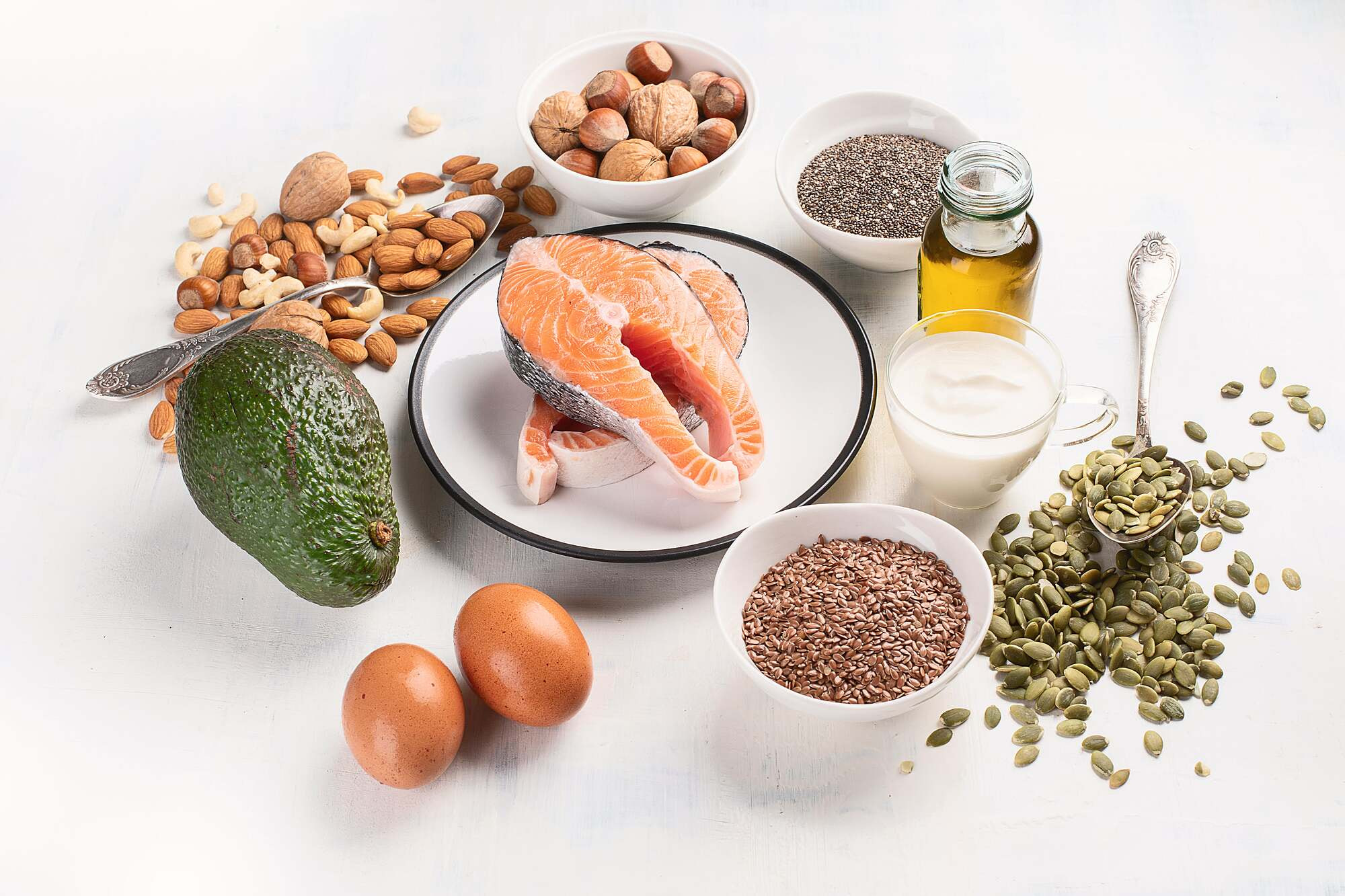
- Polyunsaturated Fats: Similar to monounsaturated fats, polyunsaturated fats are also liquid at room temperature and are full of essential fatty acids like omega-3 and omega-6. These good fats are found in fatty fish (like salmon and mackerel), flaxseeds, chia seeds, and walnuts. With their anti-inflammatory properties, omega-3 fatty acids are particularly good for keeping the heart healthy.
By knowing the different types of fats and their effects on your health, you can make better and more beneficial choices for your overall well-being. Choose the good fats and limit the not-so-good ones, and your body will thank you.

Food Sources of Fats
Adding a variety of healthy fat sources to your diet is a great way to boost your overall health. Here are six great food choices full of good fats:
- Avocado: Enjoy the smooth texture and taste of this nutrient-packed fruit, full of monounsaturated fats, fiber, and loads of vitamins and minerals.
- Olive Oil: Extra virgin olive oil, a staple in the Mediterranean diet, is well-known for protecting the heart with its valuable properties.
- Nuts and Seeds: From almonds and walnuts to chia, flax, and hemp seeds, these nutritional powerhouses offer a great mix of healthy fats, protein, and fiber to fuel your body.
- Fatty Fish: Go for salmon, mackerel, sardines, and trout for a good dose of omega-3 fatty acids—essential for maintaining brain health and minimizing inflammation.
- Coconut Oil: Despite its high saturated fat content, coconut oil’s unique composition of medium-chain triglycerides (MCTs) provides certain metabolic benefits that may support overall health.
- Dark Chocolate: Indulge in delicious dark chocolate containing at least 70% cocoa content, and you’ll get a rich supply of monounsaturated fats and powerful antioxidants.
Role of fats in Diet and Health
Including healthy fats in your daily meals is key to maintaining overall health and well-being. These good fats act as a lasting energy source, help you feel full, and help the body absorb fat-soluble vitamins. Plus, they contribute to good brain function, support heart health, and help regulate hormones.
It’s important to remember that while fats are a necessary part of a balanced diet, moderation is key. Aim for a diverse intake of fats, including monounsaturated and polyunsaturated types (including omega-3 fatty acids), while limiting saturated and trans fats. Choose whole foods over processed ones whenever you can.
By adding nutritious fats into your diet, you can not only enhance the taste and nutritional value of your meals but also foster a healthy state.