
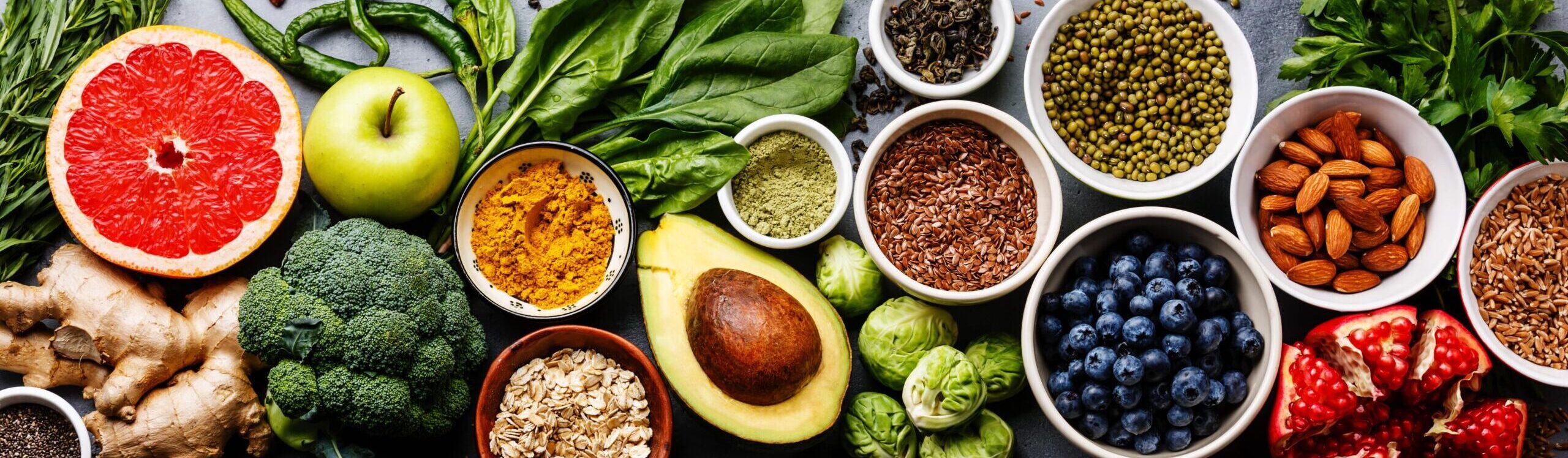
As you explore the world of nutrition and healthy living, you’ll find that nitrogen in food plays a critical role in agricultural productivity and, consequently, in your well-being. This vital element acts as the cornerstone of human nutrition, highlighting the benefits of nitrogen in food for fostering growth, maintaining health, and ensuring food security across the globe.
Understanding the nuances of nitrogen for human health is fundamental. Its role spans from its breakthrough usage in ammonia synthesis through the Haber-Bosch process to becoming the bedrock of nitrogenous fertilizers that support an abundance of food supplies in affluent nations and serve as a lifeline in preventing malnutrition in densely populated regions.
Belangrijkste opmerkingen
- Nitrogen is a key nutrient, deeply intertwined with the growth of crops and the quality of food you consume.
- The innovation of ammonia synthesis has been paramount in breaking the yield barrier in pre-industrial agriculture.
- Nitrogenous fertilizers contribute significantly to avoiding malnutrition and ensuring adequate diets, particularly in populous countries.
- Excessive protein intakes in affluent nations contrast with the protein deficiencies in parts of Asia, Africa, and Latin America.
- Moderating the future global use of nitrogen fertilizers can be key to sustainable nutrition for humanity’s burgeoning population.
- Strategic changes in diets, along with improved agronomic practices, can lead to a balanced nitrogen footprint.
Understanding the Role of Nitrogen in Human Nutrition
Essential for life, nitrogen’s influence in your daily diet is far-reaching. It plays a fundamental role in developing and sustaining your body’s complex biological systems. As you delve deeper into the significance of this element, you will appreciate the intricate connection between nitrogen-rich food, good health, and robust agricultural practices.
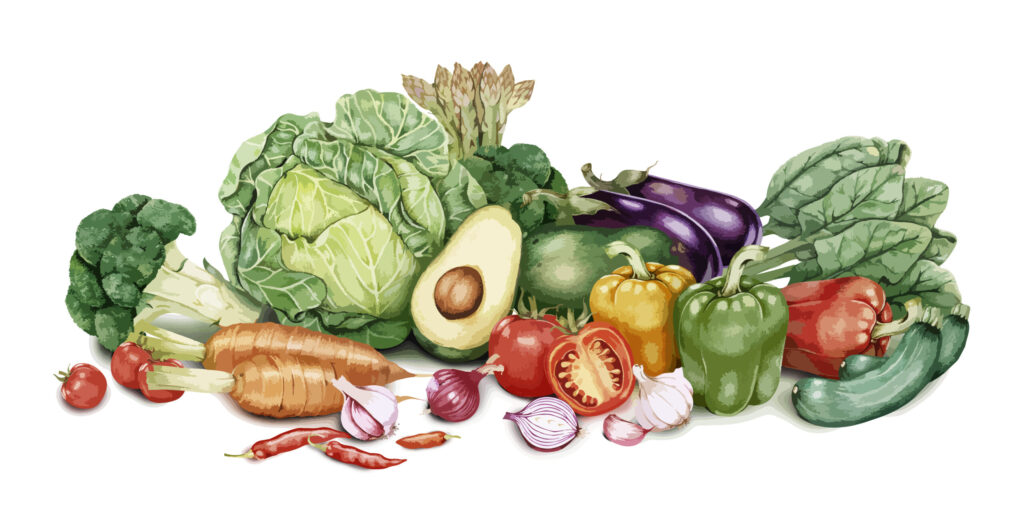
Nitrogen’s journey from soil to the supper table is a tale of transformation. It manifests as nitrogen balance in human diet, emphasizing the importance of dietary intake reflective of the natural cycle. Below, we uncover the science behind the elemental foundation of proteins and investigate how nitrogen’s cycle influences its presence in the foods you consume.
The Science of Nitrogen as a Building Block of Life
Nitrogen comprises the structure of amino acids, the critical components of proteins necessary for life. These proteins are not mere nutritional elements; they are the very pillars that maintain the architecture of every cell in your body. The quality of your diet pivots on these nitrogen-dependent structures, as they are responsible for numerous physiological roles, from building muscle mass to catalyzing chemical reactions.
For your body to thrive, intake of essentiële aminozuren, which contain approximately 16% nitrogen, is non-negotiable. These cannot be synthesized internally and thus, must be sourced from your food. Consider, for instance, the association between nitrogen-rich foods and your ability to recover from workouts—these nutrients are paramount for repairing and building new tissues.
Nitrogen Cycle and Dietary Proteins: An Overview
The nitrogen cycle bridges the gap between inorganic nitrogen from soil and the protein on your plate. Atmospheric nitrogen fixation, absorption by plants, consumption by humans and livestock, and the eventual return to the soil through decomposition—each step is a link in the vital chain sustaining human diets.
The cycle’s influence extends to the depth of your nutrition, shaping the content and balance of nitrogen you derive from plant and animal sources. Recognize that every bite of spinach or piece of chicken you ingest carries with it a history of nitrogen transformation, elemental to your well-being. As the global population scales up, so does the demand for nitrogen in food, underscoring our unsaid pact with nature to sustain the delicate equilibrium of this life-supporting cycle.
The Historical Context of Nitrogen in Agriculture
Agriculture has long been a balance act of soil fertility, crop selection, and nutrient management, hinging substantially on the nitrogen content in food production systems. Historically, traditional agriculture’s arduous battle was against the natural scarcity of nitrogen necessary to foster crop growth. Farmers had been chiefly relying on a troika of nitrogen sources: organic waste recycling, which returned nutrients from consumed plants and animals back to the soil; crop rotations with nitrogen-fixing legumes that captured atmospheric nitrogen; and planting legumes such as clovers as green manures that, once plowed, enriched soils with their nitrogen-rich tissues.
Regrettably, these organic methods were restricted in how much nitrogen they could add to the fields. Consequently, persistent challenges of nitrogen deficiency in humans fueled the quest for more potent means of nitrogen supplementation. This burning need led to the revolutionary introduction of synthetic nitrogen fertilizers with the Haber-Bosch process at the forefront, catapulting agricultural productivity to new heights.

As synthetic nitrogen made its way into arable lands worldwide, an agricultural paradigm shift occurred. Nations with burgeoning populations such as China were then able to intensify yields and sustain higher population densities on diets that previously rested on the thin line of malnutrition. This era marked an unprecedented dietary shift from predominantly vegetarian consumptions to diets enriched with animal protein, thanks to the newfound abundance of fodder crops for livestock.
Today, the sources of dietary nitrogen are greatly influenced by the global spread of nitrogen fertilizer use. This widespread adoption not only addressed immediate concerns about food security but also fomented concerns about sustainability and environmental impacts that are key subjects of discussion in modern times. Moreover, understanding this shift illuminates the diverse relationship between nitrogen use in agriculture and global food security throughout history.
Reflecting on this historical transition elucidates the importance of balanced nitrogen management strategies—poised between yielding sufficient crop nutrition and avoiding excess that could lead to environmental detriment.
In essence, this narrative isn’t just about boosting agricultural outputs. It’s about reshaping the ecosystems and human livelihoods that depend on them. By delving into the historical context of nitrogen in agriculture, we are reminded of the delicate mutualism between human advancement and the ecological rhythms that sustain it.
Nitrogen-Rich Diets: Impacts on Health and Nutrition
The integral role of dietary proteins, especially those rich in nitrogen, is duly recognized when considering the foundation of human health and nutrition. Amidst various dietary components, the benefits of nitrogen in food stand out due to its critical involvement in building the proteins that constitute human tissues and enzymes. Yet, understanding how to best address nitrogen deficiency in humans and utilize nitrogen-rich food remains a dynamic field of science, evolving with each new piece of research.

Assessing Protein Needs: The Evolving Science
Historically, the narrative revolved around a potential global protein crisis, due to marginal maintainable nitrogen sources, leading to the feared inadequacy in human diets. However, this perspective has shifted dramatically. Now, the scientific community acknowledges that dietary protein—and consequently dietary nitrogen—needs are highly individualized, and recommendations must reflect this diversity. The challenge at hand is to sync the available nitrogen inputs from a range of sources with the physiological needs of a global population that ranges from those in affluent societies, where protein is consumed in excess, to populations in developing countries that face a struggle against malnutrition despite significant use of nitrogen fertilizers.
Addressing Nitrogen Deficiency in Human Populations
Ensuring that individuals across various socioeconomic backgrounds can access nitrogen-rich food equitably is a pressing concern. The reality is stark: while more than 50% of global nitrogen fertilizers are used by low-income countries, many individuals in these regions still face protein inadequacies. Remedying this situation requires a concerted effort to achieve efficient nitrogen use, ranging from modifying agricultural practices to enhancing food distribution systems so that they can better bridge the gap between surplus and deficit areas.
It is clear that strategic actions are needed to counteract nitrogen deficiency in humans, actions that will pave the way for a more nutritiously balanced global diet. Ongoing research, policy-making, and community engagement are vital to implementing changes that will alleviate disparities and foster better health outcomes related to nitrogen intake.
As you ponder upon the role of nitrogen in your diet and its broader implications, it pays to be informed about not just where your food comes from, but also how it contributes to the delicate balance between dietary nutrition and the planet’s resources. The commitment to resolving inequities in nitrogen distribution in the human diet is undeniably a cornerstone for achieving a healthier world populace.
Nitrogen Sources: How Nitrogen Makes Its Way into Our Food
Nitrogen, a pivotal element in our nutrition, courses through a complex journey before it becomes part of the sources of dietary nitrogen. It originates from both natural environments and human-constructed systems before it nourishes the crops that feed nations. Nearly half of the nutrient absorbed by crops in the mid-1990s was supplied by synthetic fertilizers. Understanding the wide array of nitrogen balance in human diet sources is crucial for sustaining global food security and addressing the nutritional demands of a fast-growing population.
Here, you’ll delve into how this indispensable nutrient found in Earth’s ample reserves is harnessed to support human life. Without it, achieving a healthy balance of nutrients would be a far-reaching goal.
| Natural Sources | Synthetic Sources | Organic Recycling |
|---|---|---|
| Symbiotic Diaztrophs (e.g., legumes) | Haber-Bosch Ammonia Synthesis | Crop residues |
| Atmospheric Fixation by Soil Bacteria | Urea Fertilizers | Animal and human waste |
| Free-Living Diaztrophs (e.g., Azotobacter) | Ammonium Nitrate | Green Manure (e.g., alfalfa, clovers) |
Dive into the stark contrast of synthesis versus organic roll-call to garner a profound view. From the power of atmospheric nitrogen fixing bacteria that live in soil to the proficient Haber-Bosch process that harnesses atmospheric nitrogen, these sources are indispensable for the growth of crops worldwide. Equally important is the role of organic recycling—where the remnants of crops and the by-products of both animals and humans return to the earth, enriching the soil with nitrogen once again.
Of all the proteins your body needs, about 85% come from these agricultural practices—a testament to nitrogen’s preeminent status in our daily sustenance.
Whether coming from the air we breathe or the pragmatic synthesis in industrial environments, each source of nitrogen follows the age-old cycle of life, from birth to rebirth, to sustain a continuous flow of dietary nitrogen into our meals and, ultimately, into our bodies. Your understanding of these pathways illuminates the overarching importance of nitrogen in maintaining the intricate balance necessary for human health and the vibrant ecosystems that nourish it.
Nitrogen Balance in Human Diet: Achieving Optimal Intake
For your vitality and health, achieving the optimal nitrogen balance in your human diet is non-negotiable. This careful calibration of intake ensures that your body’s nitrogen levels are sufficient to support the continuous cycle of protein synthesis and repair, warding off the repercussions of both surplus and scarcity. The human diet is the principal vehicle for nitrogen intake, connecting agricultural practices directly to the nourishment of our cells.

As you consume foods rich in nutritious protein, the nitrogen within them plays an indispensable role in sustaining your well-being. The paradigm of nitrogen for human health extends beyond just meeting basic nutritional needs—it involves nurturing the body’s intricate systems and fostering physiological harmony. Let’s explore how you can strike the perfect chord in your body’s nitrogen symphony.
Striking the Right Nitrogen Balance for Health
The dynamic path of dietary nitrogen is straightforward: it travels through your food into your body, where it embarks upon its essential biological functions. However, your lifestyle, age, and level of physical activity dictate your body’s specific nitrogen and protein requirements. Infants, with their rapid growth rates, have heightened needs, as do athletes in the midst of rigorous training.
Pioneering nutritional science continues to fine-tune our understanding of how much dietary nitrogen you should ideally consume. Modern guidelines consider the diversity of human life stages and activities, standing not merely as static numbers but as part of a growing body of knowledge aimed at optimizing your nutritional status. The endeavor is clear: ensure everyone’s access to the right amount of nitrogen-rich food to uphold robust health, no matter where you are in the world or what stage of life you’re navigating.
Here’s a look at the daily recommended intake of protein by different demographic groups, underscoring the importance of a balanced nitrogen food human relationship:
| Group | Daily Recommended Protein Intake (g/kg body weight) | Nitrogen Contribution |
|---|---|---|
| Children (1-4 years) | 1.05 | Vital for growth & development |
| Children (4-8 years) | 0.95 | Supports tissue building |
| Adults (average sedentary) | 0.8 | Maintains body function |
| Seniors (70+ years) | 0.8 | Prevents muscular degeneration |
When considering the importance of nitrogen balance in human diet, it’s about more than mere sustenance. It’s about enriching your life with a flourish of vitality and strength, and ensuring that every cell in your body has the building blocks it needs to thrive. Aim for a dietary harmony where nitrogen plays a lyrical note in the symphony of your overall health and well-being.
Nitrogen Food Human: The Connection to Human Growth and Development
When you think of what is vital for human growth and development, nitrogen-rich food must not be overlooked. It is a fundamental building block for the proteins that drive cellular growth, organ formation, and the facilitation of metabolic functions. Think of nitrogen as the thread weaving through the fabric of human biology, integral at every stage of life.
Protein requirements are particularly high during infancy and adolescence—crucial periods of rapid body growth. At these pivotal points, your body’s demand for nitrogen skyrockets to support development. By ensuring your diet is rich in nitrogen, you’re providing the raw materials necessary to build and repair tissues, which is essential for overall health.

Given its importance, the emphasis on nitrogen for human health through the consumption of nitrogen food human sources cannot be overstated. Incorporating nitrogen-rich food into one’s diet ensures a well-rounded nutritional profile that fosters growth and maintains bodily functions effectively.
| Life Stage | Nitrogen Needs | Key Functions |
|---|---|---|
| Infancy | Hoog | Protein synthesis for rapid growth |
| Adolescence | Increased | Supports developmental changes, muscle and bone growth |
| Adulthood | Moderate | Maintenance of health and bodily repairs |
| Senior years | Varied | May increase due to muscle preservation needs |
By recognizing the immense value of nitrogen-containing compounds in our diet, you are better equipped to make informed choices about the foods you consume. For instance, incorporating a variety of legumes, leafy greens, and lean meats can optimize nitrogen intake, leading to a stronger, more resilient body.
Every spoonful of protein you consume carries the nitrogen your body needs to thrive from the cradle to the golden years.
Ultimately, the bond between nitrogen-rich food and human development is an enduring one that stands the test of time and underscores the need for a balanced approach to nutrition. Focusing on this connection ensures you’re not just eating to satisfy hunger, but nurturing your body at the molecular level where growth and wellness originate.
Challenges and Innovations in Producing Nitrogen-Fertilized Crops
The agricultural landscape is evolving as nitrogen fertilizer use in different regions adapts to the surging demands of a growing global population. The dependency on nitrogen-fertilized crops highlights the profound intersection between human necessity and environmental stewardship. While these fertilizers are central to producing nitrogen-rich food, their use comes with a spectrum of challenges that you should be cognizant of; from ecological concerns to economic viability.
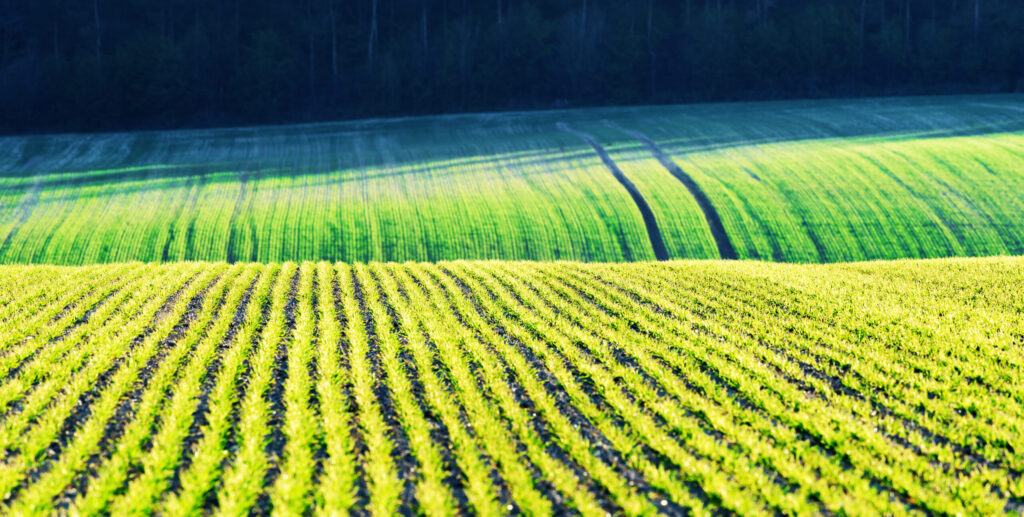
In your quest to understand how your food is produced, it has become increasingly important to recognize the innovations that address these concerns. Introducing beneficial diazotrophic bacteria to soils, for instance, represents a biological innovation that can reduce our dependency on synthetic nitrogen sources. These microorganisms naturally collaborate with plants to provide them with the nitrogen they need, lessening the environmental footprint of agriculture.
Beyond the microbial realm, precision agriculture has emerged as a technological beacon of hope. By tailoring the application of nitrogen fertilizers to the specific needs of each plant, farmers can drastically cut down on wasted resources. This attention to detail not only benefits the environment by minimizing potential runoff and pollution but also ensures that crops receive exactly what they need to flourish.
The exploration of alternative productions, such as vertical farming and controlled-environment agriculture, stands as a testament to human ingenuity in the face of agronomic challenges. These systems allow for nitrogen-rich food to be grown in urban settings where traditional farming may be implausible, showcasing an exciting synergy between agritech and food production.
| Challenge/Innovation | Beschrijving | Voordeel |
|---|---|---|
| Milieu-impact | Overuse of nitrogen fertilizers can lead to ecological imbalance | Reduction strategies minimize pollution and protect ecosystems |
| Bio-Fertilization | Use of diazotrophic bacteria to naturally enhance soil nitrogen | Decreases reliance on chemical fertilizers |
| Precision Agriculture | High-tech systems that deliver precise amounts of fertilizers | Optimizes crop yields and reduces waste |
| Alternative Farming | Techniques like vertical farming in controlled environments | Facilitates sustainable crop growth in non-traditional settings |
As you take a bite of your favorite nitrogen-rich food, remember the remarkable journey it has embarked on—aided by both time-honored and cutting-edge agricultural practices. The road ahead is forged with inspired solutions that promise to mitigate the challenges of nitrogen fertilization, paving the way for a future where nourishment and nature coexist in harmony.
From diazotrophs that enchant the soils with life-sustaining nitrogen to the vertical farms reaching skyward, agriculture continues to redefine itself in the quest to feed humanity while caring for the Earth.
Environmental Considerations: The Impact of Nitrogen on the Ecosystem
The undeniable benefits of nitrogen in bolstering agricultural productivity are shadowed by the environmental impact of nitrogen, a concern that echoes through the fields and into our waterways. You may not see it, but the excess of nitrogen fertilizers from farms can wash into rivers and streams, contributing to a cascade of environmental issues. The repercussion of such runoff and leaching is the eutrophication of aquatic systems, a process that suffocates life by fostering excessive algae growth and depleting oxygen.
As you consume the fruits of modern agriculture, consider the nitrogen in the food supply chain. Reactive nitrogen doesn’t retire after fueling crop growth; it ventures forth, altering ecosystems and contributing to greenhouse gas emissions, thus cranking up the global thermostat. The condensation of these emissions spider-webs out, affecting biodiversity, changing habitats, and challenging the animals and plants that call these places home.
The path forward leans on championing sustainable agriculture practices and nitrogen utilization. This dual approach means promoting diets lower in nitrogen-heavy proteins when excess is apparent and supporting policies that nudge the agricultural sector toward more efficient use of fertilizers. Integrating these sustainable practices within the food system is no mere trend—it is an essential step towards securing the well-being of our vital ecosystems, ensuring they flourish for generations to come.
Your awareness and actions can support this balance, as the choices you make in the supermarket aisles can ripple back through the food system, reducing your personal nitrogen footprint. Through informed decisions and support for sustainable policies, you can participate in the global effort to harmonize the demand for nutrition with the guardianship of our Earth.